Nobody wants to lose a tooth. When you hear that a tooth is in trouble, your first question is probably, “Can we save it?” For many teeth, the answer is yes, with a dental crown.
At Great Basin Dental in Reno, we place crowns regularly. They’re one of the most reliable ways to protect a damaged tooth and keep it working for years to come. But what exactly does a crown do, and when is it the right call?
What Is a Dental Crown, Anyway?
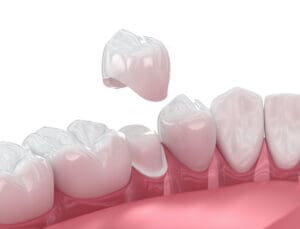
Think of a crown like a helmet for your tooth. It’s a custom-made cap that covers the entire visible part of your tooth, from the chewing surface all the way down to the gum line. Once it’s cemented in place, it protects the remaining tooth structure and takes over the job of chewing and grinding.
Crowns can be made from several materials, including porcelain, ceramic, metal, or a combination. At Great Basin Dental, we often recommend porcelain or ceramic for back teeth because they’re strong and look natural. For front teeth, we lean toward materials that blend beautifully with your natural smile.
When Does a Tooth Need a Crown?
A crown isn’t the answer for every problem, but it’s the go-to solution for several common situations.
- Large cavities: If a cavity is too big for a regular filling, a crown can save what’s left. Instead of patching a weak tooth, we surround it with a strong, protective cover.
- Chipped or fractured teeth: Damage can spread over time. A crown holds the tooth together and prevents further breakage.
- After a root canal: A tooth that’s had a root canal is more brittle and prone to breaking. Crowns protect that tooth so it can keep working for you.
- Worn-down teeth: Grinding or clenching can flatten teeth over time. A crown restores proper height and shape.
- Replacing an old, failing filling: Sometimes a large filling just can’t be replaced again. A crown gives the tooth a fresh start.
In all these cases, the goal is the same: keep your natural tooth in place instead of losing it.
How Long Can You Expect a Crown to Last?
With excellent care, a crown can last 10 to 15 years, sometimes longer. But that doesn’t mean it’s “set it and forget it.” The crown itself won’t decay, but the tooth underneath can. The gum line around the crown is still vulnerable to plaque and bacteria.
To make your crown last:
- Brush and floss daily, especially where the crown meets your gum.
- Avoid chewing ice, hard candies, or other tough objects that could crack the crown.
- Wear a nightguard if you grind your teeth. Grinding is one of the fastest ways to damage a crown.
- Keep your regular checkups. We’ll check the fit and condition of your crown at each visit.
What Happens During the Procedure?
We want you to know exactly what to expect. Placing a crown usually takes two appointments.
At the first visit, we’ll numb the tooth, clean out any decay or old filling, and reshape the tooth so the crown fits snugly. Then we’ll take impressions and send them to our lab. You’ll leave with a temporary crown to protect your tooth while the permanent one is made.
At the second visit, we’ll remove the temporary, check the fit and color of the new crown, and cement it permanently in place. The whole process is straightforward and comfortable, especially for patients who choose our oral sedation options.
When a Crown Isn’t the Answer
We’re always honest with our patients. If a tooth is too badly damaged, fractured below the gum line, or has extensive root decay, a crown might not be able to save it. In those cases, we’ll talk about other options, like dental implants or bridges.
But for many teeth, a crown is exactly what they need to stay healthy and functional for years to come.
Thinking About a Crown?
If you have a tooth that’s been bothering you, or if your dentist has suggested a crown and you’re not sure what to expect, we’d love to talk with you. Dr. Sievert and Dr. Guillen will examine your tooth, answer your questions, and help you decide the best path forward.
You don’t have to lose a tooth just because it’s damaged. A crown could be the simple solution that keeps your smile whole and working the way it should. Give our Reno office a call.