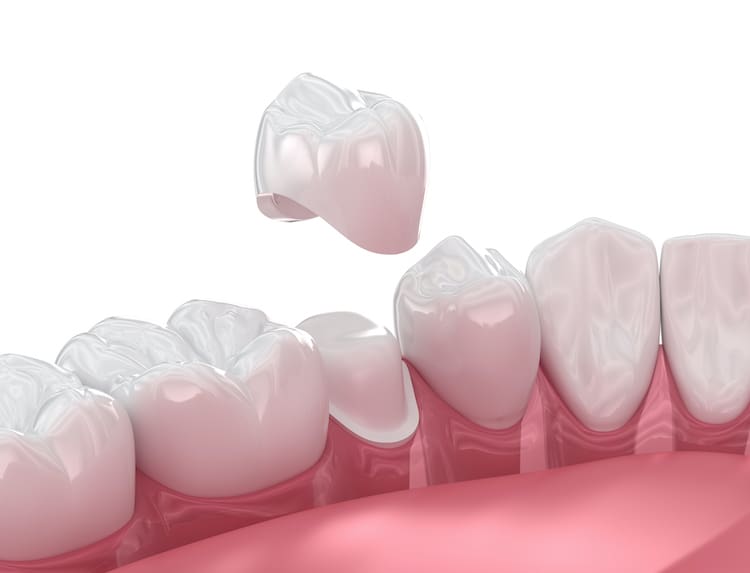
Getting a dental crown is a common restorative procedure designed to protect a damaged tooth, restore its shape, and improve its function. Whether your crown is made of porcelain, metal, resin, or ceramic, proper aftercare is essential to ensure its longevity and the health of the underlying tooth. With the right maintenance, your crown could last for many years and continue to provide comfort and support.
What to Expect After the Procedure
Once your crown has been placed, it’s normal to experience some sensitivity or mild discomfort. This is especially common if the tooth had a large cavity or if the procedure required significant shaping of the natural tooth. The gum tissue around the crown may also be a little tender for a few days. In most cases, any sensitivity will diminish within a week or two. If it persists or worsens, it’s a good idea to contact your dentist for a follow-up.
Some patients also notice that their bite feels a little off after getting a crown. This can happen if the crown is slightly too high or doesn’t align perfectly with the opposing tooth. A quick adjustment by your dentist can correct the issue and restore a comfortable bite.
Oral Hygiene and Daily Care
Maintaining good oral hygiene is critical for both the crowned tooth and your overall dental health. The crown itself won’t decay, but the natural tooth beneath it still can. That means brushing twice a day and flossing daily are non-negotiable. Be especially attentive when flossing around the crown. Slide the floss gently rather than snapping it up and down to avoid dislodging the crown.
Using a fluoride toothpaste helps strengthen the tooth under the crown. An antibacterial mouthwash can help keep the surrounding gums healthy. Regular dental cleanings and checkups, typically every six months, will help ensure that your crown stays in good condition and that any potential problems are caught early.
Eating and Drinking with a Crown
Once the crown has fully set and any initial numbness has worn off, you can eat normally. However, it’s wise to avoid particularly hard or sticky foods, especially in the days right after placement. Biting down on ice, hard candy, or nuts can damage or loosen the crown over time. Similarly, sticky substances like caramel or taffy can pull at the crown and increase the risk of it coming loose.
If your crown is made of porcelain, be mindful that while it’s durable, it’s not indestructible. Habitual teeth grinding or clenching, also known as bruxism, can weaken a crown over time. If this is something you struggle with, talk to your dentist about a night guard to protect both your crown and natural teeth.
Dealing with a Loose or Broken Crown
Despite your best efforts, crowns can sometimes come loose or even break. This might happen because of trauma, wear over time, or decay underneath the crown. If you notice that your crown feels loose, wobbly, or comes off entirely, don’t attempt to fix it with household glue or try to reattach it yourself. Instead, rinse it gently, keep it safe, and call your dentist as soon as possible. A temporary dental adhesive from the pharmacy can be used in some cases to hold the crown in place until you can be seen, but only do this if advised by your dental professional. Leaving a crown off for too long can lead to further damage or sensitivity.
Long-Term Care and Replacement
While crowns are designed to last many years, they aren’t permanent. Most last between 10 to 15 years with proper care, although some may last even longer. Over time, the fit may change or the crown may become worn. Regular dental visits will help monitor its condition and allow your dentist to recommend replacement when necessary. Proper aftercare for a dental crown is simple but essential. By staying on top of your oral hygiene, being cautious with your eating habits, and seeing your dentist regularly, you can extend the life of your crown and maintain a healthy, confident smile.
Dental Crown Care in Reno, NV
At Great Basin Dental, your oral heath is our top priority. If you have deep decay or extensive damage, a dental crown could help preserve your natural tooth structure and prevent the need for extraction. Contact our office today to schedule a consultation and learn more about your restorative dentistry treatment options.